What to Check First
- Cause: This sound occurs when the valve opens and closes to control the flow of refrigerant through the refrigerator.
- What to do: No action is needed. This is a normal operating sound that may occur for about seven seconds once a day, or for about three seconds every hour.
- Cause: These sounds occur when the compressor produces cold air or when the fan circulates it. If you open the doors frequently or place hot food inside, the motors may run faster and sound louder as the refrigerator lowers its internal temperature.
- What to do: No action is needed. The motor speed and sound will naturally decrease once the refrigerator reaches the set temperature.
- Cause: These sounds occur as refrigerant flows through the cooling tubes. You may also hear them during the defrost cycle when water from melting frost drips onto the heater and evaporates.
- What to do: No action is needed. These are normal sounds that occur as the refrigerator cools and maintains its internal temperature.
- Cause: Plastic shelves and internal components may expand or contract slightly as the temperature inside the refrigerator changes.
- What to do: No action is needed. This is a normal sound caused by natural thermal expansion, similar to the sound of ice cracking as it melts.
- Cause: When you open the refrigerator door, warm air enters and changes the internal pressure. This causes air to escape through the drain tube.
- What to do: No action is needed. This is a normal sound caused by natural airflow when you open or close the doors.
Why This Can Happen
Symptoms can have more than one cause, and the correct steps depend on the exact model, installation and operating conditions. Use the checks above to narrow the issue before service.
Safety and Model-Specific Guidance
Frequently Asked Questions
What should I check first for How to Troubleshoot Unusual Noises From Your LG Refrigerator?
Cause: This sound occurs when the valve opens and closes to control the flow of refrigerant through the refrigerator.
When should I stop troubleshooting and contact LG?
Stop if the product shows signs of electrical damage, burning, leaking near electrical components, or if the recommended checks do not resolve the issue. Use LG USA support for model-specific service guidance.
Does this guidance apply to every LG model?
Not always. Controls, error codes and service steps can differ by model. Confirm the exact model number and follow the linked LG USA article for model-specific instructions.
Related LG Products
These model pages are linked because the stored category or exact model matches this Help Library topic.
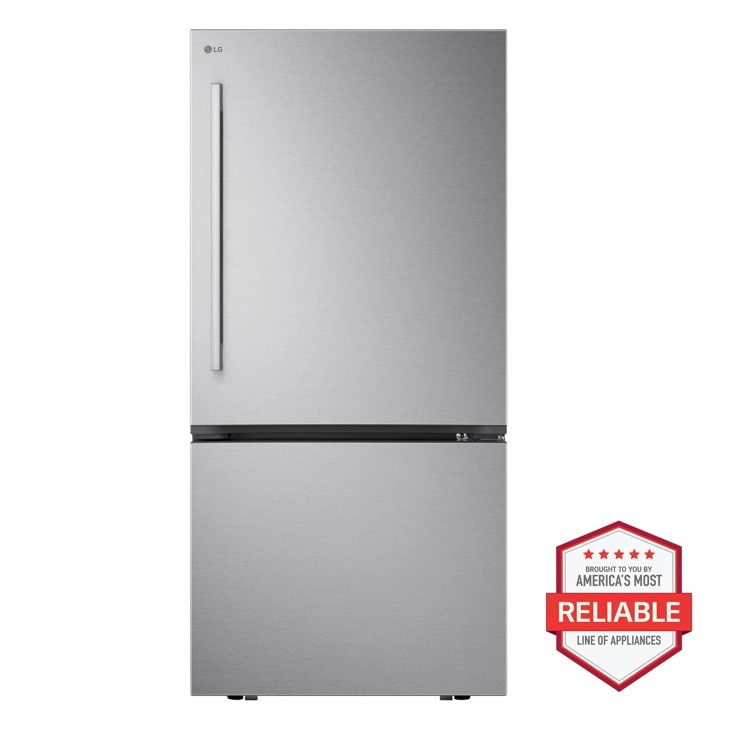
LG LB26H2200S — 29 cu. ft. Smart Standard-Depth MAX™ 4-Door French Door Refrigerator with Slide-in Gas Range and FlushFit™ Top Control Dishwasher Kitchen Package in Stainless Steel
Home Appliances · Top Appliance Deals
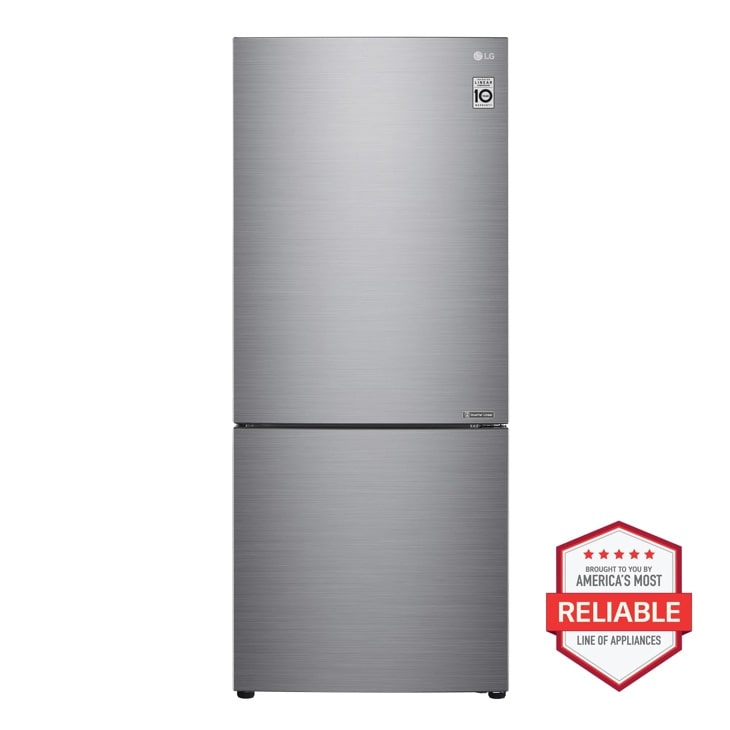
LG LBNC15231V — 15 cu. ft. 28 Inch Wide Bottom Freezer Refrigerator - Stainless Steel
Discover the LG 28-inch wide Bottom Freezer Refrigerator that features a reversible door and Door Cooling+ for food freshness. Click to view the LBNC15231V.
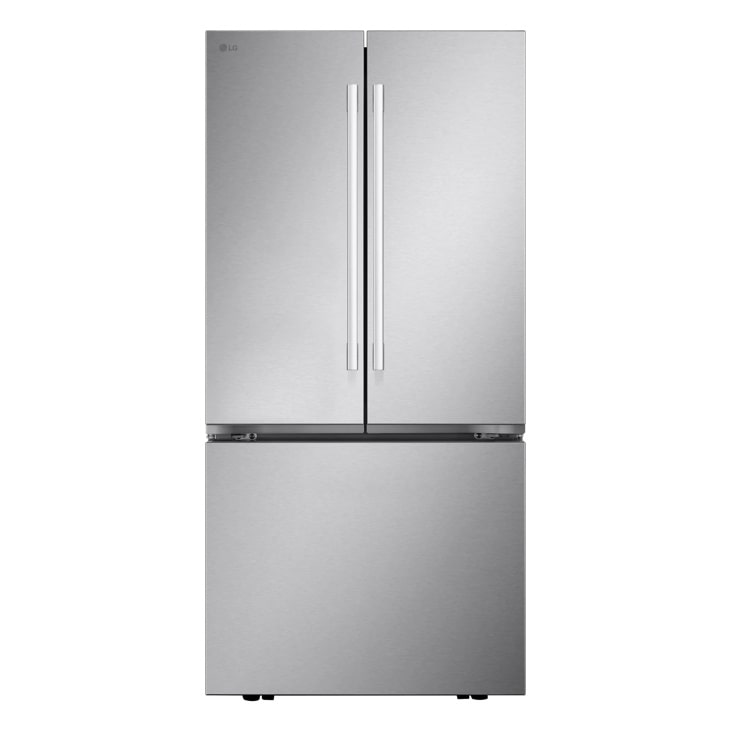
LG LF21G6201S — Essential 4-piece Kitchen Package with 29 cu. ft. 4 Door French Door Refrigerator, Freestanding Induction Range, Front Control Dishwasher and Microwave in Stainless Steel
Home Appliances · Top Appliance Deals
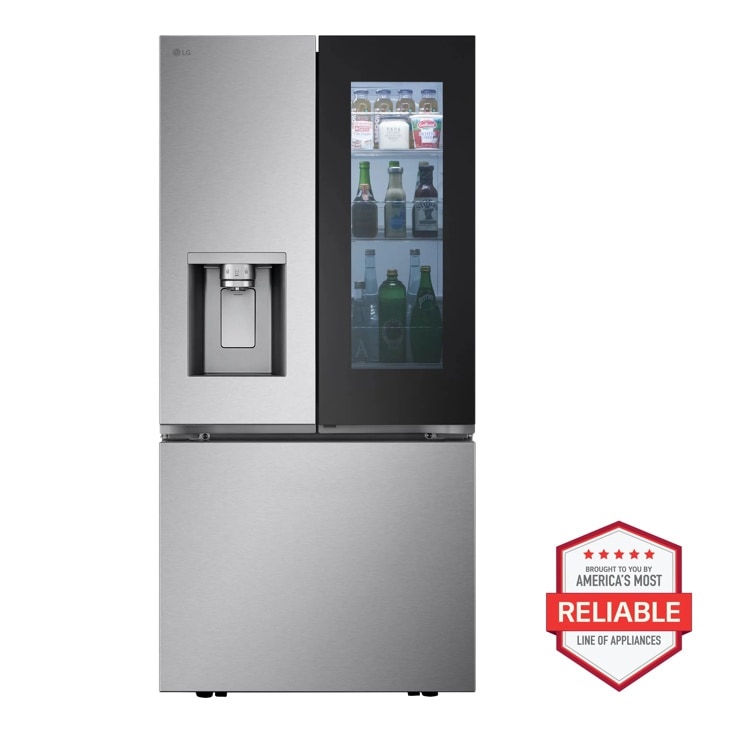
LG LF25S6560S — 29 cu. ft. Smart Standard-Depth MAX™ 4-Door French Door Refrigerator with Full-Convert Drawer™
Home Appliances · Top Appliance Deals
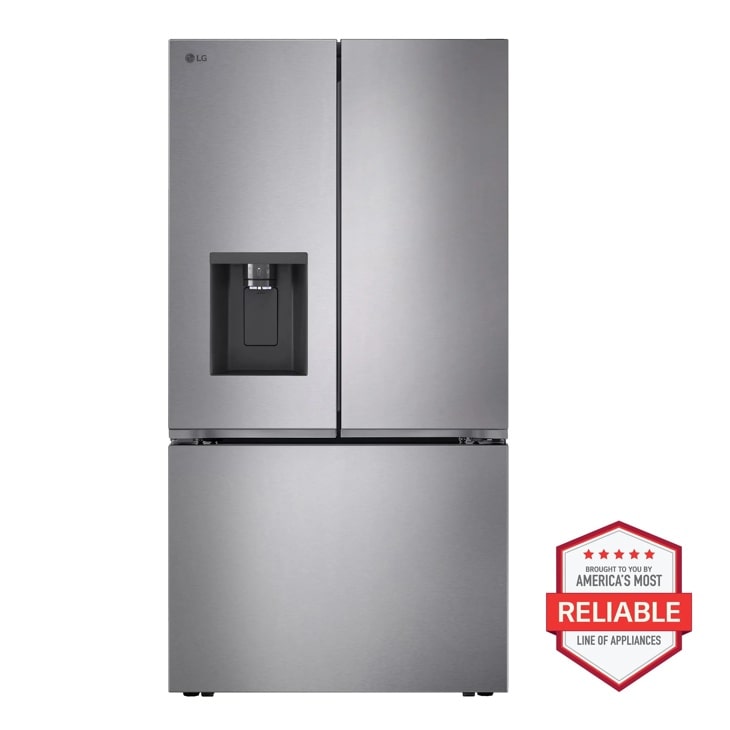
LG LF26C6230V — 26 cu. ft. Counter Depth MAX 3-Door French Door Refrigerator with Ice and Water Dispenser
Home Appliances · Top Appliance Deals